
Optimal Timing for Storm Restorations
Storm restorations are most effective when performed promptly after severe weather events. The ideal timing depends on weather patterns, local climate, and the specific type of damage sustained. Addressing storm-related damages early can prevent further deterioration and reduce long-term costs.
Conducting inspections immediately after a storm helps identify damages early, allowing for timely restoration efforts.
Dry weather following a storm provides optimal conditions for repairs and minimizes delays caused by rain or wind.
Spring and summer seasons often see increased storm activity, making early-season restorations crucial to prevent damage escalation.
Severe damages require swift action regardless of season to prevent structural issues and safety hazards.

Visual inspection of roof and exterior damage following a storm.
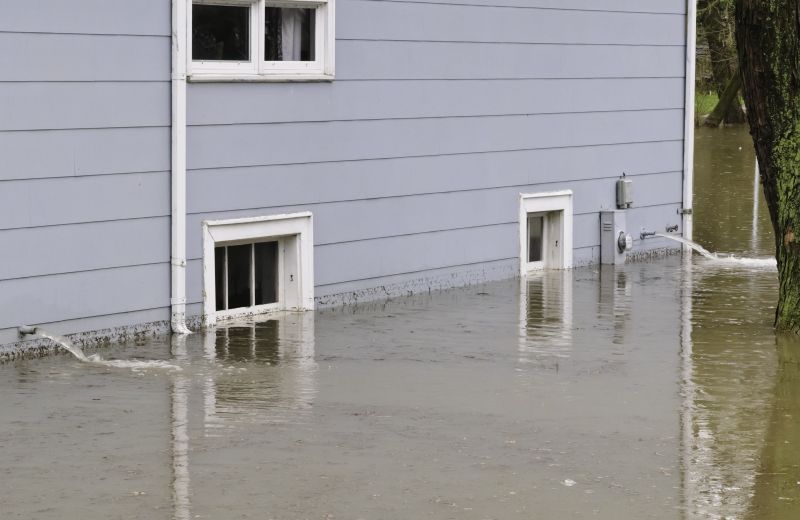
Temporary fixes to prevent further damage until full restoration.
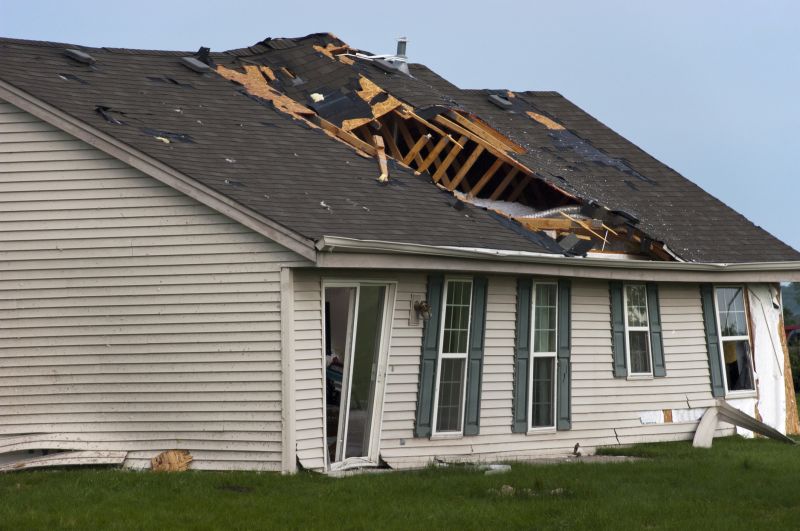
Repairing roof and siding after storm damage.
Ways to make Storm Restorations work in tight or awkward layouts.

Popular materials for Storm Restorations and why they hold up over time.
Simple add-ons that improve Storm Restorations without blowing the budget.

High-end options that actually feel worth it for Storm Restorations.
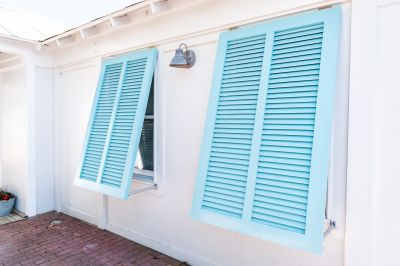
Finishes and colors that play nicely with Storm Restorations.
Storm restorations involve repairing or replacing damaged structures caused by severe weather events such as high winds, hail, and heavy rain. These efforts help restore the safety, integrity, and appearance of affected properties. Proper timing ensures repairs are effective and minimizes the risk of secondary issues like water intrusion or mold growth.
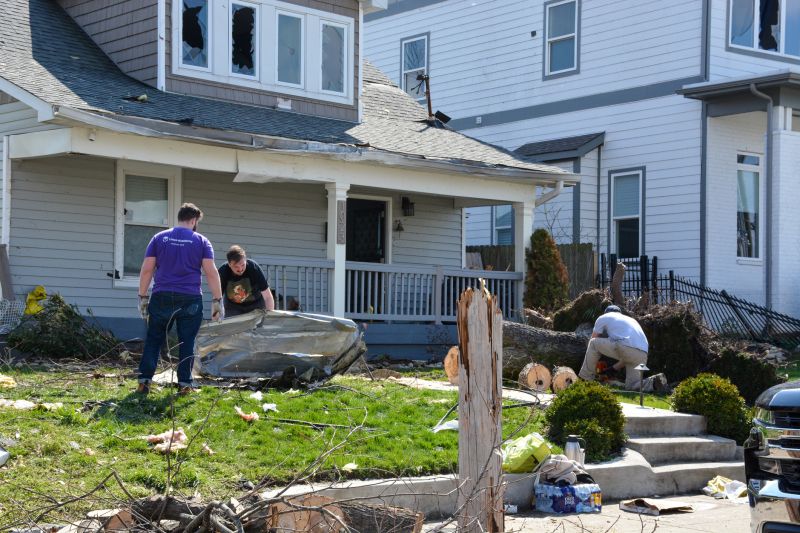
Undamaged property ready for storm season.
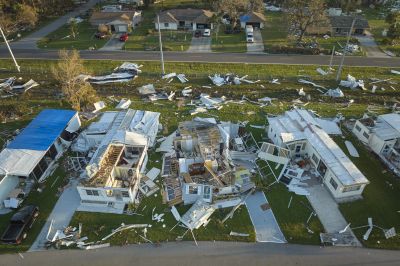
Evaluating storm impact on property.
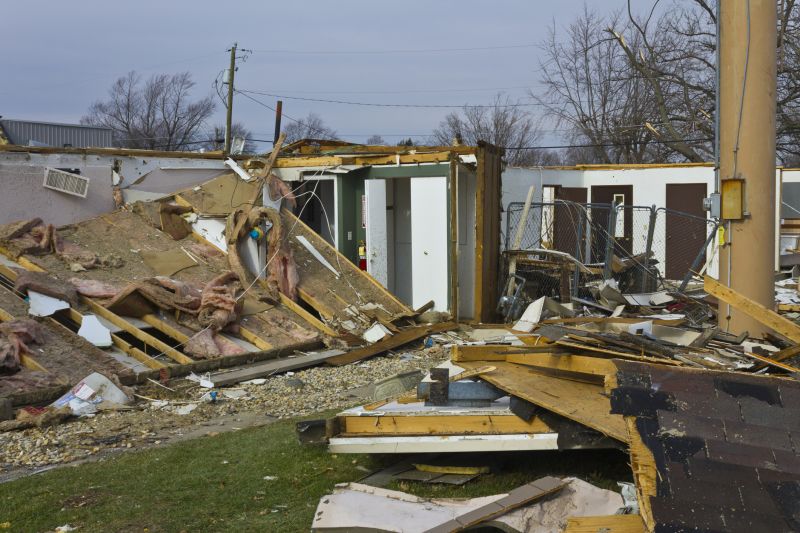
Team repairing roof after storm damage.

Little measurements that prevent headaches on Storm Restorations day.

A 60-second routine that keeps Storm Restorations looking new.
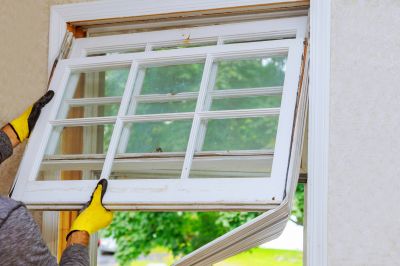
A frequent mistake in Storm Restorations and how to dodge it.
| Season | Optimal Timing for Storm Restorations |
|---|---|
| Spring | Ideal for early repairs before peak storm activity. |
| Summer | High season for storms; timely restoration prevents escalation. |
| Fall | Preparation for winter storms; address damages promptly. |
| Winter | Limited window; focus on emergency repairs if needed. |
| Post-Storm | Immediately after severe weather for best results. |
Understanding the best timing for storm restorations can significantly impact the effectiveness and longevity of repairs. Planning repairs during favorable weather conditions minimizes delays and ensures safety for restoration crews. Regular inspections and preparedness can help property owners respond swiftly after storm events.
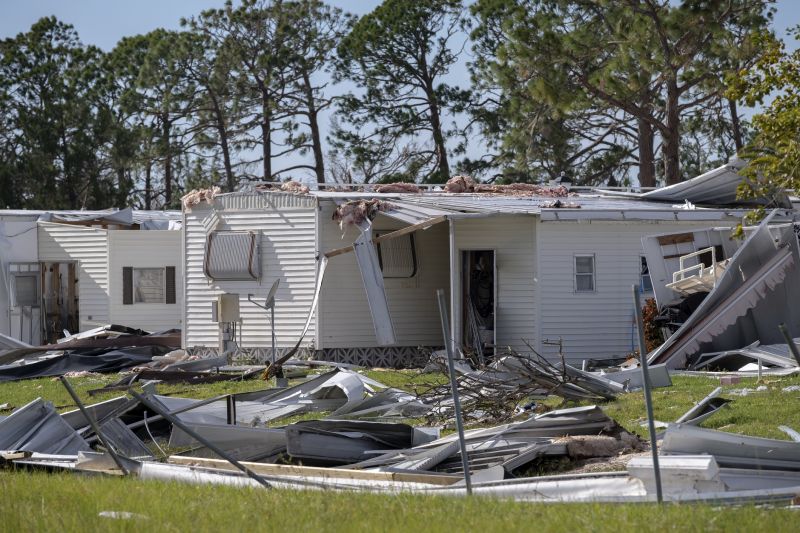
Restoring a roof after hail damage.
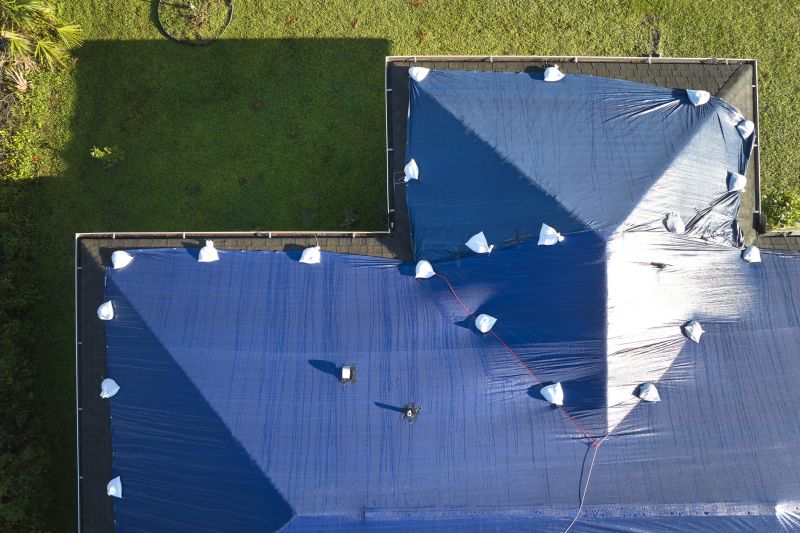
Temporary tarping to prevent water intrusion.
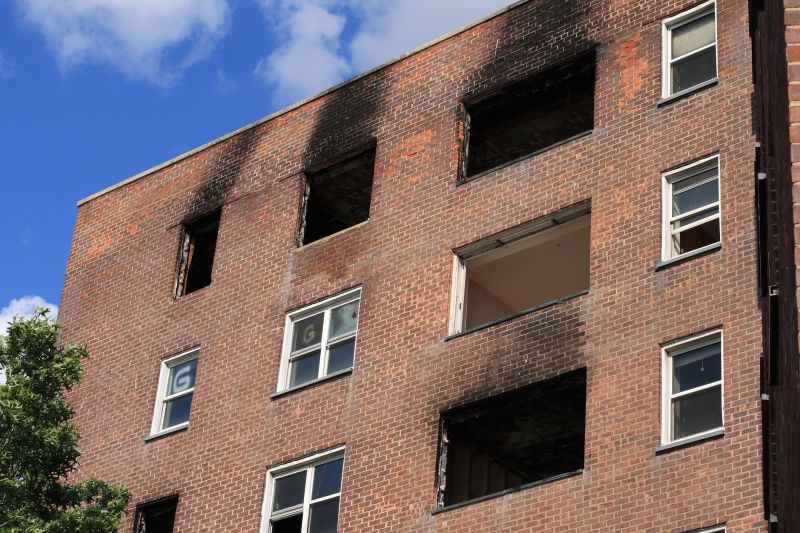
Complete exterior repairs after storm damage.
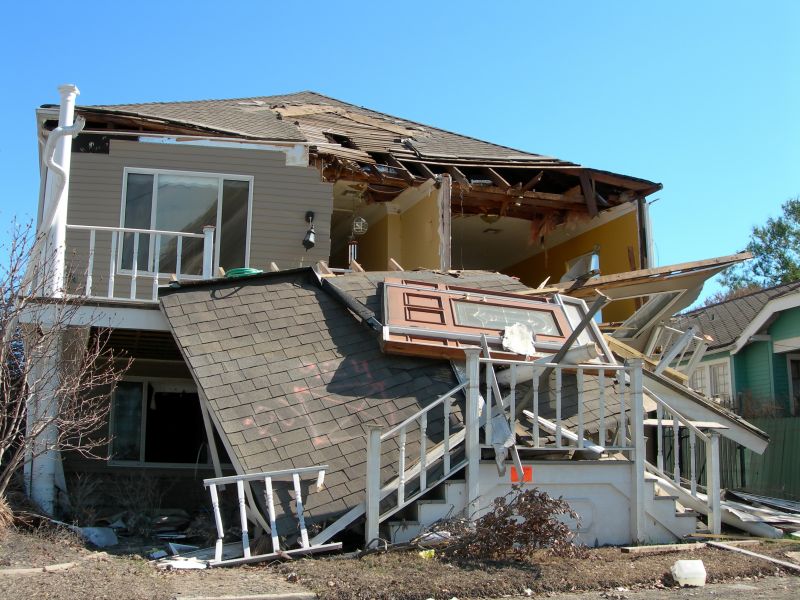
Assessing damage for restoration planning.
Small tweaks to make Storm Restorations safer and easier to use.
Lower-waste or water-saving choices for Storm Restorations.

The short, realistic tool list for quality Storm Restorations.

Rough timing from prep to clean-up for Storm Restorations.
For property owners in Carson City, NV, timely storm restorations help maintain property value and safety. If there is interest in scheduling inspections or repairs following storm events, filling out the contact form provides a straightforward way to initiate the process.